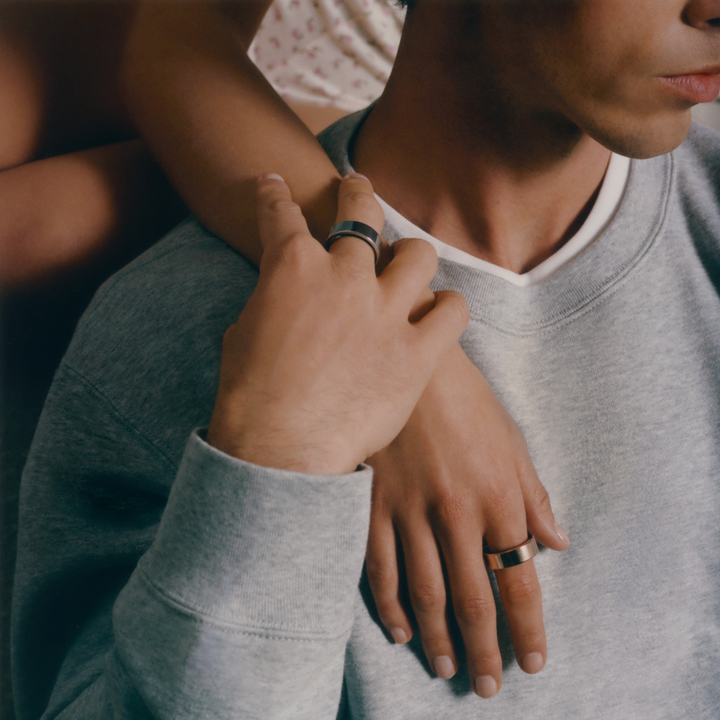
Smart rings are rapidly evolving from niche gadgets into everyday companions that help women monitor health, manage stress, and stay connected without constantly checking their phones. Unlike bulky smartwatches, a well‑designed smart ring can blend seamlessly with personal style while quietly tracking vital data in the background. For women who want both elegance and functionality, this new generation of wearables offers an appealing balance between fashion and wellness.
In this article, we will explore why more women are turning to smart rings, what features actually matter in daily life, and how to choose a ring that feels like jewelry rather than a piece of tech gear. We will also look at how metrics like sleep, stress, and daily activity can be turned into practical insights that support a healthier routine. By the end, you will have a clearer picture of what to look for when evaluating different smart ring options and why design details make such a big difference.
The Rise of Smart Rings for Everyday Wellness
One of the main reasons smart rings are gaining traction is their ability to provide continuous health tracking without demanding constant attention. Modern rings can monitor activity, heart rate, sleep quality, recovery, and even stress levels throughout the day and night, all from a device that weighs just a few grams. This “low‑friction” approach to data collection makes it easier to build consistent habits because you are not required to strap on a larger device or remember to press buttons before each workout.
Women often juggle many roles at once, blending work, family, social life, and personal health, so a lightweight wearable that disappears into the background is particularly appealing. Instead of another screen to manage, a smart ring can quietly collect data and then present it in a mobile app when there is time to reflect. Over time, this builds a longitudinal picture of sleep patterns, recovery trends, and daily movement that can inform decisions about rest, training intensity, and lifestyle changes.
From a design perspective, smart rings also speak to women who want wellness tech that feels more like jewelry than equipment. Sleek metal finishes, color options, and subtly integrated sensors allow a ring to blend into almost any wardrobe, whether it is worn in the office, at the gym, or during an evening out. As brands introduce rings that support interchangeable looks and multiple finishes, it becomes easier to treat them as long‑term accessories instead of disposable gadgets.
Key Features Women Should Look For
When evaluating which smart ring is worth investing in, women should pay attention to a few core features rather than getting overwhelmed by marketing language. The first is comprehensive health tracking: look for a ring that monitors activity, heart rate, HRV, sleep stages, blood oxygen, and stress or recovery indicators in a consistent and reliable way. These metrics together offer a robust view of how the body responds to daily demands, workouts, and rest.
Battery life is another critical factor, especially for women who travel, work long hours, or simply do not want one more device to charge every night. Many newer rings are designed to last close to a week or more on a single charge, and some user tests show them reaching around 7–10 days depending on usage. This longer endurance reduces the risk of missing crucial health data and makes the device much less intrusive in day‑to‑day routines.
Comfort and durability also matter. Rings made from materials like titanium balance strength and lightness, often weighing only around 3 grams while maintaining resistance to scratches and daily wear. Water resistance ratings such as 5 ATM mean the ring can handle swimming, showering, or sweating during workouts without needing to be removed, which is especially helpful for women who want uninterrupted tracking.
At the same time, women are increasingly looking beyond raw data and asking how a ring will help them interpret that information. An app that provides clear explanations, daily summaries, and coaching suggestions is far more useful than one that simply presents numbers. Features like an AI‑assisted coach, habit‑building prompts, or gentle nudges based on trends in sleep and stress can make the difference between data that is interesting and data that is truly actionable.
Why Style and Discretion Matter for Women
For many women, the decision to wear a smart ring is not only about features but also about how the device looks and feels across different settings. A ring that is too bulky, too sporty, or too obviously “tech” may feel out of place with formal outfits, subtle workwear, or evening attire. This is why design details such as color choices, finishes, and the overall silhouette of the ring play a crucial role.
Some modern smart rings focus heavily on versatility, allowing users to switch styles or choose from multiple colors without losing tracking functionality. This is especially useful for women who rotate between professional environments, casual weekends, and special events, and who want their wearable to complement each scenario. When a ring can move from a workout to a business meeting to a dinner without drawing unwanted attention, it becomes far easier to wear it consistently and benefit from long‑term data.
Discretion is another appealing aspect. Unlike devices with constant notifications, screens, or flashing lights, a well‑designed smart ring can keep health tracking in the background and let the wearer choose when to engage with the data in the app. For women who prefer minimal interruptions and want to reduce screen time, this quieter approach to wearable tech can be particularly attractive.
In addition, sizing and ergonomics matter, especially for smaller hands. Many smart ring brands offer sizing kits or detailed guidance to ensure the sensors sit snugly underneath the finger without pinching or rotating too much during sleep. A proper fit helps keep measurements accurate while ensuring the ring remains comfortable enough to wear all day and night.
Turning Health Data Into Daily Insight
Collecting health data is only the first step; the real value comes from turning that data into meaningful insights that can guide everyday decisions. When a smart ring can detect patterns in sleep—such as how long it takes to fall asleep, how often the user wakes up, and how time is distributed across sleep stages—it becomes easier to understand how lifestyle choices affect rest and recovery. For women balancing demanding schedules, visualizing changes in sleep quality over weeks and months can inform adjustments to bedtime routines, caffeine intake, or evening screen time.
Stress and recovery metrics are equally important. By tracking indicators such as resting heart rate and heart rate variability, a smart ring can highlight days when the body is under heavier load and may benefit from lighter training or extra rest. This supports smarter training strategies, especially for women involved in fitness, running, or strength training who want to avoid burnout or injury.
Many newer rings combine these data streams with AI‑powered guidance through their mobile apps. Users can ask questions about their trends, receive suggestions about sleep hygiene or activity patterns, and gradually build healthier habits with the help of personalized feedback. Over time, this can transform the ring from a passive tracker into an active partner in a woman’s wellness journey.
To make this more concrete, consider a ring that tracks step counts, heart rate, and sleep, then aggregates those metrics into daily and weekly scores. If it notices that sleep quality drops on days with late‑night workouts or heavy evening screen time, the app can surface patterns and suggest adjustments, helping the wearer experiment and see what changes are most effective.
What Makes a Smart Ring “Best” for Women?
Choosing the “best” smart ring for women involves more than just checking a spec sheet; it requires thinking about how the ring will actually fit into daily routines, style preferences, and long‑term health goals. A strong candidate should combine comprehensive tracking, reliable battery life, thoughtful design, and helpful in‑app guidance. It should also feel comfortable enough to wear day and night, because the most powerful insights come from continuous data rather than occasional snapshots.
For women who care as much about aesthetics as functionality, the best options are those that offer color and style flexibility without sacrificing performance. Some modern rings are designed to be styled like jewelry, with sleek finishes and color‑changing or multi‑color options that allow them to pair well with different outfits and occasions. The ability to express personal style while still capturing high‑quality health data is a key reason why these devices are gaining popularity.
Another hallmark of a top‑tier ring is how it handles the user experience inside the accompanying app. Clear dashboards, intuitive charts, and easy‑to‑understand explanations make it easier for women to move from data to action—whether that means going to bed earlier, adjusting workout intensity, or simply taking more walking breaks during the day. Some rings also incorporate motivational elements, such as points, challenges, or social features, to provide added encouragement in maintaining healthy habits.
If you are actively comparing options, resources that curate and analyze different models from a woman’s perspective can be especially helpful. For example, guides that highlight the best smart ring for women by focusing on comfort, tracking depth, style options, and long‑term wearability can save time and offer more targeted insights than generic reviews. You can explore one such detailed, educational overview here: best smart ring for women by cudis.
Example of Smart Ring Specifications
To understand what a well‑rounded smart ring can offer, it helps to look at how core features are combined in a single product. Below is a simplified example of capabilities that many women find useful in everyday life.
A ring that combines these capabilities offers a balanced blend of durability, comfort, and data quality, which is exactly what many women look for when investing in a health‑focused wearable. As more models enter the market, these baseline expectations are becoming a helpful benchmark for comparing different options.
Supporting Visuals and How to Use Them
To better understand form factor and style, it is useful to review official product images showing the ring from multiple angles and in different colorways. On the official website, you will typically find close‑up photos of the ring, its charging case, and lifestyle shots of people wearing the device in real‑world settings such as workouts, office environments, and casual scenes. These visuals help women gauge how discreet the ring looks on the hand and how easily it pairs with their personal style.
Images of the companion app are equally helpful because they reveal how data is presented day to day. Screens that highlight sleep scores, heart rate trends, and recovery insights give a concrete sense of how easy it will be to interpret the ring’s measurements. For anyone serious about using a smart ring as a wellness tool rather than a novelty, clear visualizations can be just as important as sensor specs.
When publishing your own article or review, you can embed the official images (respecting usage guidelines) to visually demonstrate design, color options, and comfort, helping readers quickly understand why a particular model may be a strong fit for women interested in long‑term health tracking.
Recommended YouTube Video Reviews
Video reviews are a powerful way to see how a smart ring behaves in real life, including how it looks on the hand, how the app behaves, and what long‑term users think after weeks of wearing it. Reviewers often walk through unboxing, pairing the ring with the phone, navigating the app interface, and sharing honest impressions about comfort, battery life, and tracking accuracy. Watching these real‑world demonstrations can help women make more informed decisions, especially when they cannot test a ring in person before buying.
https://www.youtube.com/watch?v=NmB0ZUvErQU
Final Thoughts on Smart Rings for Women
Smart rings are quickly becoming one of the most interesting categories in wearable technology for women who want a blend of subtle design and meaningful health insights. Instead of demanding constant interaction, the best models quietly collect data in the background and offer clear, actionable feedback through an app, helping women align daily choices with long‑term wellness goals. As new options appear on the market, taking the time to evaluate comfort, battery life, tracking depth, and style flexibility will ensure the chosen ring feels like a natural extension of both personal health priorities and everyday fashion.
For women who want to dive deeper into specific models and find a ring that aligns with their lifestyle, exploring detailed guides and reviews can be especially helpful. You can learn more about how one brand in particular approaches design, women‑focused fit, and comprehensive tracking by visiting the official website of Cudis.